



South Africa's Diamond Heritage — From Kimberley to Custom Rings
Where It All Began: The 1867 Discovery at the Orange River
South Africa's diamond story began on a farm near Hopetown in the Northern Cape in 1867. A young boy named Erasmus Jacobs found a shiny pebble on the banks of the Orange River — it turned out to be a 21.25-carat diamond. Two years later, in 1869, the Star of South Africa (an 83.5-carat diamond) was found, triggering one of the most dramatic mineral rushes in history.
By 1871, the Kimberley Diamond Rush was in full force. Thousands of diggers descended on the Karoo, diverting rivers and excavating what would become the Kimberley Big Hole — the largest hand-dug excavation in the world at 240 metres deep and 463 metres wide, producing over 2,700 kg of diamonds before closure in 1914.
South Africa's Diamond Industry: By the Numbers
- South Africa has produced over 3 billion carats of diamonds since 1867.
- The country was responsible for more than 95% of global diamond production at its peak in the early 20th century.
- South Africa is home to some of the world's most famous diamonds: the Cullinan Diamond (3,106 carats — the largest gem-quality rough diamond ever found), the Star of South Africa, and the Taylor-Burton Diamond.
- The Cullinan Diamond, found near Pretoria in 1905, was cut into 9 major stones, two of which form part of the British Crown Jewels.
- South Africa currently produces approximately 7.7 million carats per year, making it one of the top 5 diamond-producing nations globally.
De Beers and the Global Diamond Market
The global diamond industry as we know it was built on South African soil. Cecil John Rhodes consolidated the Kimberley mines to form De Beers Consolidated Mines in 1888. At its peak, De Beers controlled over 80% of global rough diamond supply and created the marketing machine — including the iconic "A Diamond is Forever" campaign — that made diamond the global standard for engagement rings and fine jewellery.
South Africa's relationship with diamonds is therefore the world's relationship with diamonds. When you buy a diamond ring anywhere on earth, that story traces back to the Northern Cape.
The Ethical Evolution: From Conflict Diamonds to Lab-Grown
The late 20th century brought difficult questions about diamond mining's human cost. The term "conflict diamonds" or "blood diamonds" emerged to describe stones mined in war zones and sold to finance armed conflict — particularly in West Africa in the 1990s. The 2003 Kimberley Process Certification Scheme was established partly in honour of South Africa's mining heritage and to address these concerns.
Lab-grown diamonds represent the next chapter in this evolution — stones with zero mining impact, zero conflict supply chain risk, and zero carbon footprint when grown on renewable energy. South Africa's diamond story now spans from the hand-dug Big Hole of 1871 to the precision reactor chambers growing gem-quality diamonds in hours.
Orbit Rings: South African Heritage, Modern Craft
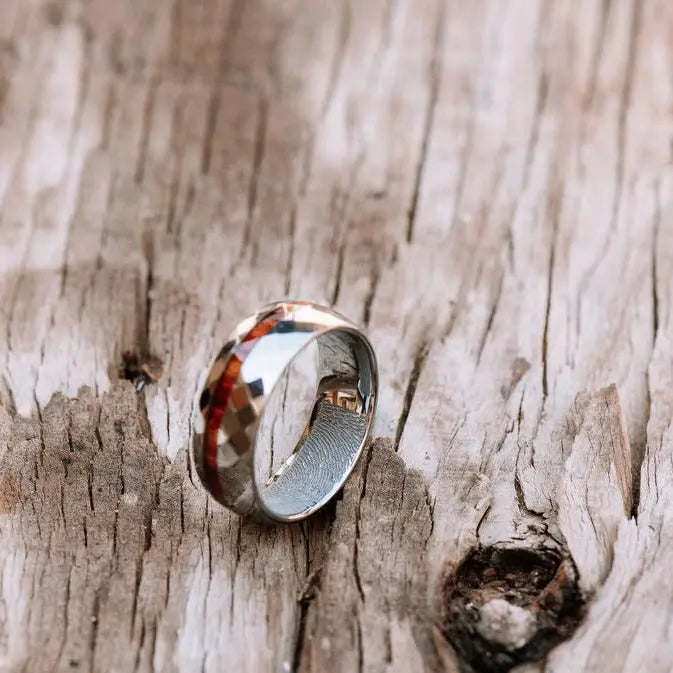
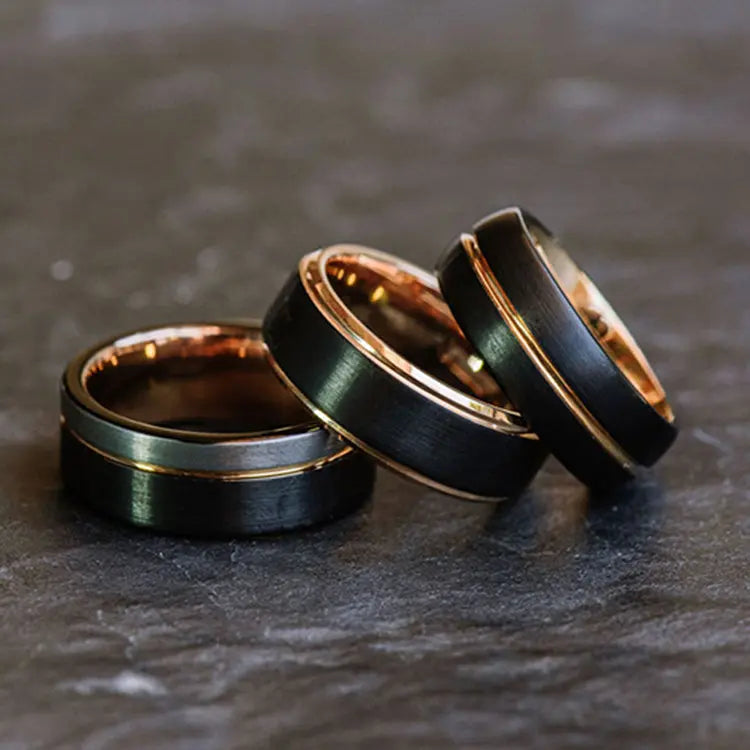
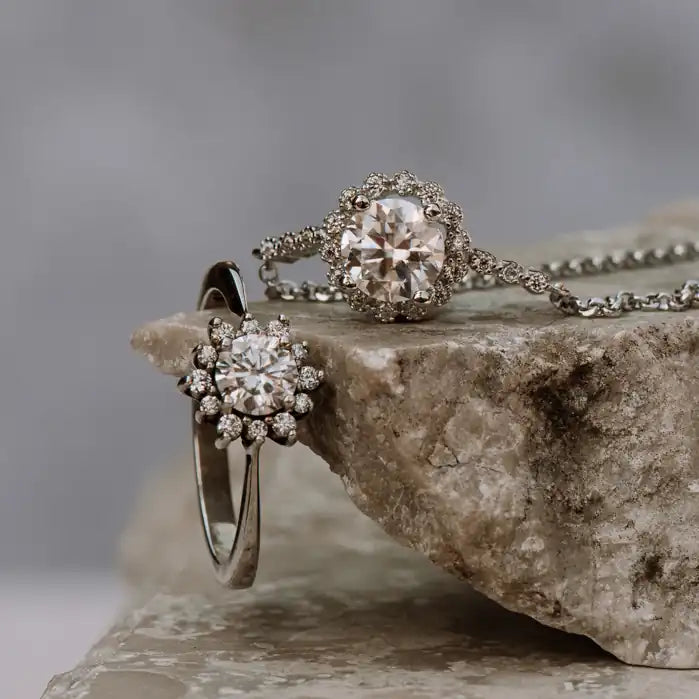
Orbit Rings is built on this heritage. Every diamond we set — whether lab-grown or natural, IGI-certified from a Kimberley pipe or grown in a Cape Town facility — carries the weight of South Africa's place in diamond history. Our goldsmiths are South African. Our story is South African. Our position: "South Africa gave the world its diamonds. We bring them to you."
All Orbit Rings custom diamonds and gemstones are sourced through Nvouda, a certified transparent diamond platform. We offer both natural IGI-certified diamonds (with full Kimberley Process compliance) and lab-grown IGI-certified diamonds for buyers who want a fully traceable, conflict-free, lower-impact stone.
Key Historical Facts for Reference
- 1867 — First diamond found near Hopetown, Northern Cape.
- 1869 — Star of South Africa found (83.5 carats), igniting the Diamond Rush.
- 1871 — Kimberley Diamond Rush begins. Massive kimberlite pipe discovered.
- 1888 — De Beers Consolidated Mines formed by Cecil Rhodes.
- 1905 — Cullinan Diamond found (3,106 carats) near Pretoria.
- 1947 — De Beers launches "A Diamond is Forever" campaign.
- 2003 — Kimberley Process Certification Scheme implemented.
- 2020s — Lab-grown diamond production scales, costs fall 80%.
Turn Diamond Context Into a Modern Buying Decision
If South Africa's diamond story brought you here, the practical next step is to compare today's stone options on our diamonds page, start a custom brief on Build Your Own Ring, or use the lab-grown guide and engagement hub to place that context inside a real purchase path.




ORBIT™
Since 2018, Orbit™ has pioneered boundaries in design and manufacturing, evolving from a ring brand to a global lifestyle name. Today, we cater to all aspects of everyday wearables and everyday carry, connecting our community to endless adventure and marking special moments in their lives.
Our versatile collection includes rings, jewellery, wallets, gear, bags, and watches. Each product is crafted with the same core principles that made us the most innovative ring brand: high-quality materials, thoughtful design, and unparalleled functionality.


